Experience expert orthopedic care in Nashik. Our dedicated team offers personalized treatments for all orthopedic conditions, ensuring your well-being and restoring mobility with precision and care.

Shopping cart

Subtotal $0.00

View cartCheckout

  • Home
  • Knee & Joint Replacement

Knee & Joint Replacement – Restoring Mobility, Relieving Pain

Knee and Joint Replacement Surgery is one of the most advanced and effective treatments in modern orthopedics, designed to relieve chronic pain, restore movement, and improve quality of life in patients suffering from severe joint problems. It is most commonly performed on the knee, hip, and shoulder joints, which are vital for mobility and daily activities.

What is Joint Replacement?

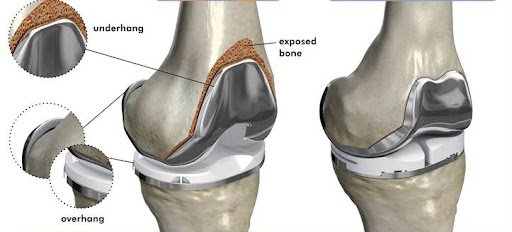
Joint replacement involves removing the damaged or worn-out joint surfaces and replacing them with artificial implants (called prostheses) made of medical-grade metal, ceramic, or high-quality plastic. These implants mimic the natural movement of the joint, allowing patients to walk, sit, stand, and carry out activities with much greater ease.

When is Joint Replacement Needed?

Not every joint problem requires surgery. However, joint replacement may be recommended if:

  • Severe osteoarthritis or rheumatoid arthritis causes constant pain and stiffness.

  • Non-surgical treatments like medication, physiotherapy, and injections are no longer effective.

  • Joint deformities or injuries make walking or daily tasks difficult.

  • Repeated swelling, instability, or restricted movement affects the patient’s independence.

Types of Joint Replacement Surgeries

  1. Knee Replacement Surgery (Total & Partial):

    • Total Knee Replacement (TKR) replaces the entire joint surface with an implant.

    • Partial Knee Replacement (PKR) replaces only the damaged portion, preserving healthy tissue.

  2. Hip Replacement Surgery:

    • Replaces the damaged hip joint with an artificial implant, relieving pain and improving flexibility.

  3. Shoulder Replacement Surgery:

    • Used for severe arthritis or rotator cuff injuries to restore arm and shoulder function.

  4. Revision Joint Replacement:

    • A repeat surgery performed when a previously implanted artificial joint wears out or loosens.

Benefits of Knee & Joint Replacement

  • Long-lasting pain relief from arthritis or injury.

  • Improved mobility and flexibility.

  • Correction of joint deformities.

  • Enhanced ability to perform daily tasks without difficulty.

  • Significant improvement in quality of life.

Modern Advancements in Joint Replacement

With medical progress, joint replacement surgeries today are:

  • Minimally Invasive: Smaller cuts, less blood loss, faster healing.

  • Robotic & Computer-Assisted: Ensuring precision in implant placement for longer-lasting results.

  • Customized Implants: Tailored to match a patient’s anatomy for natural movement.

  • Enhanced Recovery Programs: Patients often begin walking within 24–48 hours after surgery.

Life After Joint Replacement

Recovery does not end with the operation. A well-structured rehabilitation program plays a crucial role in achieving the best results. Physiotherapy, exercise, and lifestyle modifications are recommended to strengthen muscles, increase flexibility, and ensure long-term success. Most patients regain the ability to walk, climb stairs, and even return to recreational activities within weeks to months.

Who Can Benefit?

Knee & Joint Replacement is most suitable for:

  • Older adults suffering from degenerative arthritis.

  • Patients with advanced joint damage due to accidents or injuries.

  • Individuals with long-standing pain that limits independence and mobility.